Quick answer
When a business partner leaves, your personal tax return only shows your share of the old partnership's profit, and you may be trading under a new ABN with little history. Lenders bridge that gap with the partnership's own tax return, the dissolution or buyout agreement, BAS and bank statements from both ABNs, and an accountant's letter restating income on a sole-owner basis. Months of trading on your own carry the most weight.
Key points
- Your personal return shows your share of partnership profit, not the whole business.
- A partner leaving often ends the old partnership, so you may be on a new ABN with no history.
- The dissolution or buyout agreement is the document that links old turnover to you.
- Lenders read the old ABN's BAS and bank statements alongside the new ones.
- An accountant's letter can restate income as if you'd owned it alone, minus the work your partner did.
- Three to six months of solo trading is the strongest evidence the income stayed with you.
Your partner has gone. Maybe it was friendly, maybe it wasn’t. Either way you’re still turning up, still doing the work and still paying the bills, and now you need finance: new equipment, a vehicle, working capital, or money to pay out your former partner.
Then the paperwork tells the wrong story. Your tax return shows half the profit. The ABN you trade under now is a few months old. And the one set of accounts that shows the whole business belongs to an entity that no longer exists.
None of that means you can’t borrow. It means the usual documents don’t fit, so you swap in the ones that do.
Why does your paperwork look smaller than your business?
There are two separate problems, and it helps to see them apart.
Problem one: your return shows a share, not the business. A partnership doesn’t pay its own income tax. It lodges a partnership return, and each partner declares their share of the net income in their personal return. The ATO’s business structures guidance sets this out. So if you were a 50/50 partner, a lender reading your personal return sees half the business’s profit and nothing about its turnover.
Problem two: the history may sit under someone else’s ABN. When a partner leaves, the old partnership usually ends. The ATO’s guidance on changing the makeup of a partnership explains that some changes can be treated as a reconstituted partnership that keeps its ABN, but in a two-person partnership where one person simply walks away, you’re no longer a partnership at all. You end up as a sole trader or a company, on a new ABN, and a lender’s first search shows a business that started last quarter.
A lender who only reads the standard documents sees a part-share of profit and a brand-new business. What they’re missing is the link between the old business and you.
What does a lender actually need to be convinced of?
Strip it back and a credit analyst has three questions:
- How big was the business? Turnover and profit across the whole partnership, not just your share.
- Is it now yours? Proof you took over the clients, assets, name and work, and that the split is settled.
- Did the income stay? Evidence the turnover kept coming in after your partner left, and what it costs you to replace their work.
Every substitute document below answers one of those three.
Missing document → what stands in for it
| What doesn’t fit any more | What a lender reads instead | Which question it answers |
|---|---|---|
| Your personal return (shows your share only) | The partnership tax return and its distribution statement | How big was the business? |
| Two years of history on your current ABN | BAS lodged under the old partnership ABN, plus BAS on the new one | How big, and did it stay? |
| Financials for the current entity | Partnership financials up to the end date, plus software reports since | How big, and did it stay? |
| Proof the business is yours | The dissolution or buyout agreement | Is it now yours? |
| A clean, continuous bank history | Statements from the old partnership account and your new account, side by side | Did it stay? |
| An up-to-date profit figure | An accountant’s letter restating income on a sole-owner basis | All three |
| Long-term client relationships in your name | Contracts reassigned or re-signed, recent invoices to the same customers | Did it stay? |
Not sure which of these you’ve actually got? The substitute checker walks through it in a couple of minutes.
Why is the dissolution agreement the key document?
Everything else on that list shows numbers. The dissolution agreement is what connects those numbers to you.
business.gov.au suggests you “consider writing a dissolution of partnership agreement” even if you already have a partnership agreement, and lists what it should cover: why the partnership is ending, the end date, how assets and debts are divided, a final summary of the finances, who handles remaining tasks, how clients, contracts and employees are handled, and who owns the business name and any intellectual property. Their partnership dissolution page has the full list.
From a lender’s chair, a good agreement does four jobs:
- It dates the change. The end date tells the analyst exactly where to split the old records from the new ones.
- It shows who kept the income. A clause saying you keep the clients, the trading name and the work in progress is the closest thing to a transfer of turnover.
- It settles the debts. Lenders want to know whether you’re still on the hook for partnership loans, leases or a tax bill, and whether your former partner is.
- It shows whether money is still owed. If you’re paying out your partner in instalments, that’s a commitment the lender will count. Better they read it in the agreement than discover it in your statements.
If the split happened on a handshake, get it in writing now, signed by both of you. A two-page agreement written after the fact is far better than none.
How does a lender rebuild your income?
This is where an accountant’s letter earns its fee. The partnership return shows what the whole business made. Your accountant can restate that as what it would have made with you as the only owner, which is the figure a lender actually needs.
The calculation usually runs like this:
- Start with the partnership’s net income for the last full year.
- Add back anything that was paid to the departing partner as a share of profit rather than a true cost.
- Subtract a realistic cost of replacing the work they did: a wage for an employee, extra subcontractor spend, or lost sales if you’ve deliberately downsized.
- Note anything one-off, such as legal fees for the split, a valuation or a payout.
Be honest about that third line. If your partner did half the jobs and brought in a third of the clients, the business probably won’t keep all its turnover without them. Lenders who see a restated figure that ignores the missing partner will discount the whole letter. Our page on the accountant’s letter covers what a lender expects one to confirm.
Want a second opinion on how your split will read to a lender? Tell us where things stand and someone will look at it with you.
Illustrative example: half a return, a whole business
Illustrative only; not a real business or a real loan.
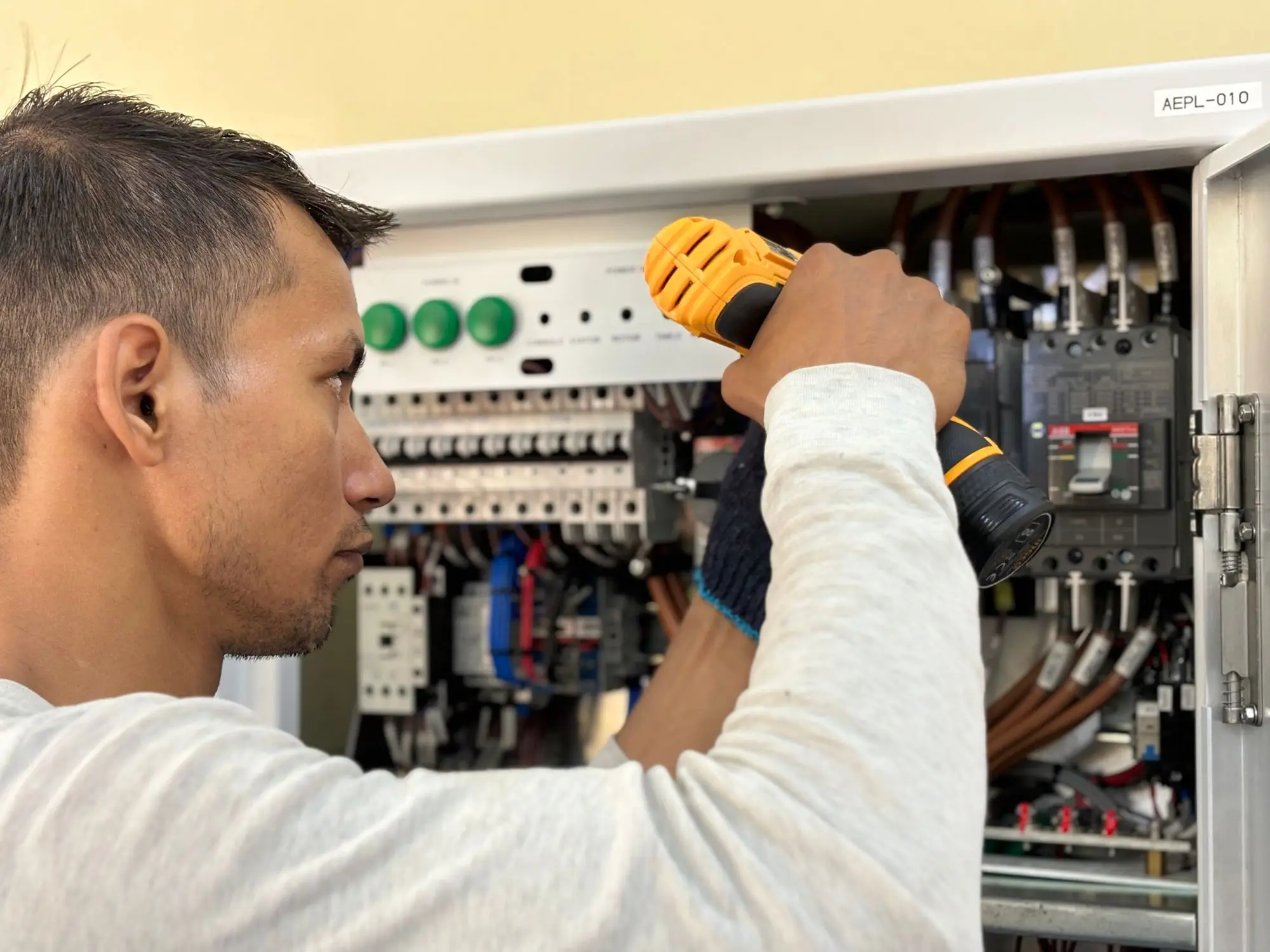
Two electricians ran a partnership for six years, splitting profit equally. In March, one moved interstate. The remaining owner kept the van, the tools, the trading name and most of the commercial clients, and now trades as a sole trader on a new ABN. In September they want to finance a second van and hire an apprentice.
| What the standard file shows | What the substitute file shows |
|---|---|
| Personal return: half the partnership profit | Partnership return: full turnover and profit for the last complete year |
| Current ABN: six months old | Old ABN’s BAS for the two years before March, new ABN’s BAS since |
| No financials for the sole trader | Software reports for April to September, reconciled monthly |
| Nothing linking the two | Signed dissolution agreement: end date, clients and name retained, partnership debts split |
| — | Accountant’s letter restating income without the partner, less the cost of a subcontractor for two days a week |
| — | Six months of statements showing the same commercial clients paying into the new account |
The second column tells a lender a coherent story: a six-year-old business, now owned by one person, with turnover that held up after the split. The first column tells them about a six-month-old sole trader on half an income.
Where do you find each piece?
Most of this already exists; it’s just scattered.
- Partnership tax return and financials. Your accountant or tax agent lodged them. Ask for the last two years and the final return to the end date if it’s been done.
- Old BAS. If you had access to the partnership’s ATO account through Online services for business, download the lodged activity statements before that access is removed. Otherwise ask your tax agent. Our guide to reading your BAS like a lender explains what an analyst does with them.
- Old bank statements. Download the partnership account’s statements before it’s closed. Once an account is gone, getting history back is slow, and you may need your former partner’s cooperation.
- Client continuity. New contracts, updated supplier and customer details, and invoices to the same names under your new ABN.
- Business name record. If the trading name was registered to the partnership, the updated ASIC record shows it’s now yours.
What can weaken the file, and what to do about it?
- A messy or disputed split. If you and your former partner are still arguing over assets or debts, lenders will usually wait. Settle it, or at least get the disputed items written down with a clear plan.
- Turnover that dropped sharply. Some fall is normal. A large drop needs explaining: lost clients, fewer hands, a deliberate change of focus. Show the trend in your recent statements and what you’re doing about it.
- Personal money flowing in to cover the gap. Transfers from your own savings into the new account inflate deposits. Label them clearly so they’re not counted as sales.
- Leftover tax debt. Partnership tax debts can follow each partner. Past credit issues and ATO debt are considered case by case, but only when they’re disclosed up front.
- A very recent split. If you’re only weeks in, the honest move can be to wait for three months of solo statements. If you own property, you may not have to: property equity can carry the application while the trading history builds. See property equity as evidence.
If you’ve also moved into a company or trust as part of the change, the continuity steps on our sole trader to company page apply on top of everything here.
Which loans suit a business after a partner leaves?
It depends on what you need the money for and what you own.
- Statement-based term loans and lines of credit. Unsecured, cash flow and line-of-credit options for trading businesses are typically $5,000 to $500,000, sized on turnover and bank statements. These suit equipment, stock and working capital once a few months of solo statements are in.
- Property-secured loans. From $20,000 to $5,000,000 by first mortgage, second mortgage or caveat, against residential or commercial property. These often suit paying out a former partner, because the security does much of the work while your new ABN builds history.
All lending is for business purposes, and paying out a partner to keep the business running counts.
You kept the business going. Now let’s get it funded
A partner leaving is one of the hardest things a small business goes through, and most owners spend months doing two people’s work before they even think about finance. The good news is that the history you built together doesn’t disappear when the partnership does. It just needs to be shown properly, linked to you, and read by a lender who understands why your tax return only tells half the story.
That’s what we do every day. The enquiry takes about 60 seconds and there’s no credit check when you first enquire. Your details aren’t sent to a pile of lenders, so you won’t spend the next week fielding calls from strangers. A real person looks at your file, including the partnership history and the split, and calls you to talk through what it can support.
Please fill the form in accurately. Give the business’s turnover since your partner left as well as before, mention the month the partnership ended, whether you’re paying out your former partner and whether you own property. Getting those details right means we can match you to a lender who reads partnership splits properly the first time.
Frequently asked questions
My tax return only shows half the business profit. Will a lender only count half?
A lender reading only your personal return will see your share. Give them the partnership tax return too, plus the dissolution agreement and recent statements, so they can see the whole business and that it now belongs to you.
Do I need a new ABN after my partner leaves?
Often, yes. The ATO treats a change of partners as ending the old partnership, and if you're left trading alone you'll usually need your own ABN as a sole trader or a new company. Check the details with your accountant or the ATO.
What if we never had a written partnership or dissolution agreement?
Write a short dissolution agreement now, signed by both of you, covering the end date, who keeps which assets, debts, clients and the business name. business.gov.au recommends one even if you already had a partnership agreement.
Can I borrow to buy out my business partner?
Yes, buying out a partner is a business purpose. Lenders will want the agreed price and how it was set, plus evidence the income continues without the departing partner. Property-secured options often suit larger buyouts.
My ex-partner still owes the ATO from the partnership. Does that affect me?
It can. Partnership debts, including tax, can follow each partner. Disclose any ATO debt and the agreed split up front, because lenders consider ATO debt case by case and dislike finding it late.
How long should I trade alone before applying?
There's no fixed rule. Some lenders will work with a recent split if the agreement and old records are strong, and others want three to six months of solo bank statements. If you can wait a few months, the file usually gets easier.